The Great Locker Quest

Two months ago, during one of my five-minute check-ins at the start of class, some students told me about an Escape Room they did. It was part of their mentoring program. None of them had done anything like it before, and they had a blast. They admitted to not having solved the room, but their smiles and jovial spirits told me it didn’t matter.

In the days that followed, I began thinking about the idea of doing a Mystery Room with my classes. My classroom has a bunch of unused lockers that could serve as lock boxes. Clues could be placed in all of the many nooks and crannies of the room. It could kick off our review for the upcoming Regents exam. The potential was there.

Six years ago, I tried something similar. I don’t remember much about the lesson other than how it imploded. Horrible planning led to clues never being found and the combinations of locks getting all mixed up. My students were confused, and I was overwhelmed. It was baaaad.

But I’m a different teacher now. I plan better than I did six years ago and have more resources at my disposal. I also have a weekly cogen that improves much of what I do with students. The more I thought about it, I realized that doing an Escape Room would be a different experience for my students now. It could work.

A quick search on the web for classroom Escape Rooms let me know there’s no shortage of advice on how to plan for one. There are those that require no locks. Others can be done using only Google Forms. There were also plenty of tips on how to tell a story using the clues. It didn’t take long for me to feel bogged down.

But when in doubt, I turn to my students. Two or three weeks after initially hearing about my students’ Escape Room experience, I pitched the idea to my most trusted resource: my cogen. My interest was in building it with them from the ground up and avoiding the many online templates that exist. This would mean a lot more work for us, but it would also mean that the activity would be far more authentic and original than anything we could find online. Luckily for me, they loved the idea. Did I say that my students are wonderful?

It took three 30-minute sessions (we meet once a week) for us to pin down a structure we liked for the lesson and another two sessions for us to come up with all the clues and hiding locations. I took care of the math and making the handouts. The students helped with hiding the clues, logistics, and helping groups while they worked during the activity. With so many end-of-year things going on, I politely asked my cogen students to hold me accountable for doing my part. They did.

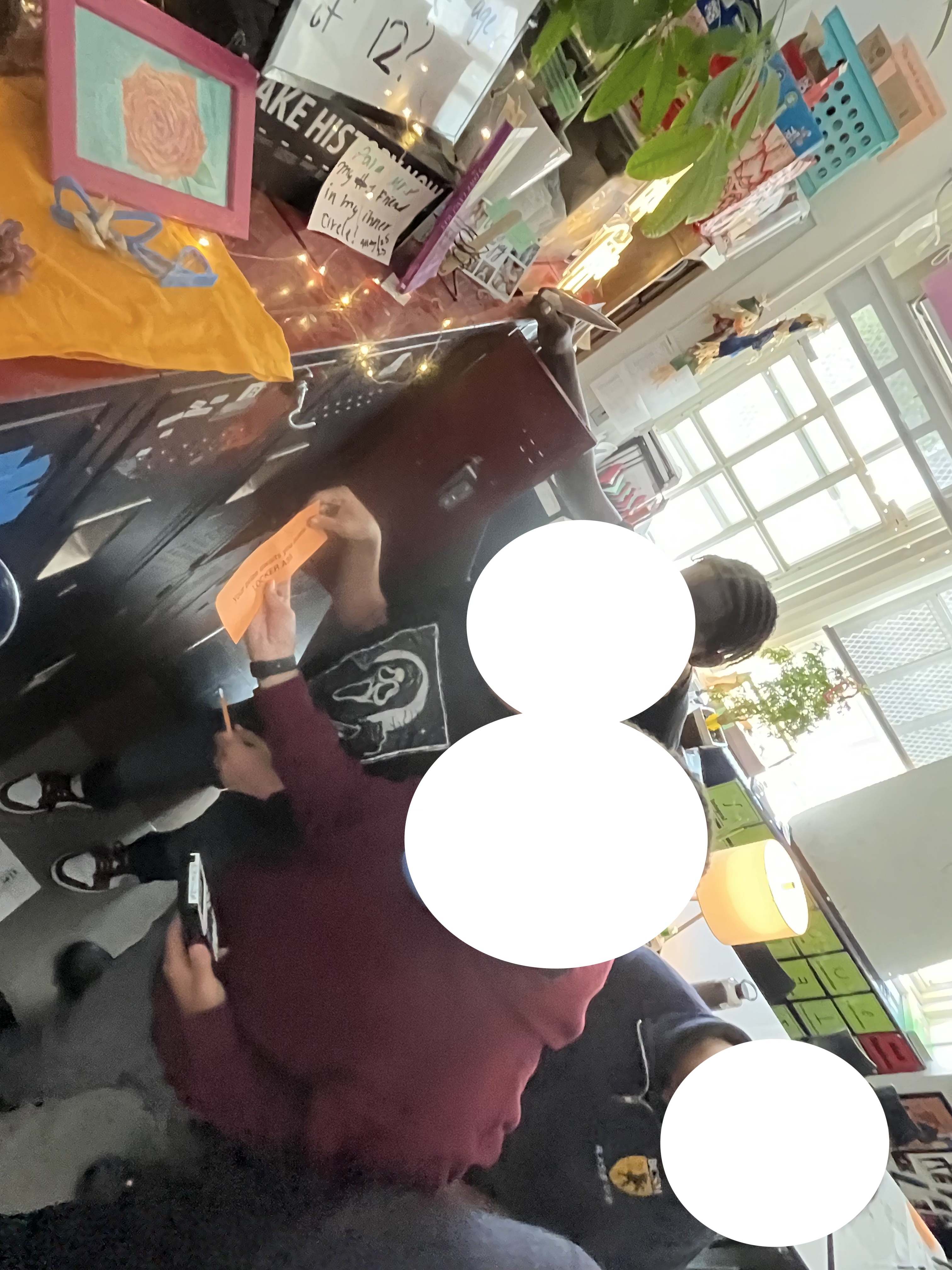
The grand prize was a pizza party for the class. In order to earn it, five groups needed to solve five unrelated problems. Each problem was hidden in locations decided upon by the cogen members. Interestingly, of each groups’ five clues, four were hidden in our classroom, and one was somewhere outside the classroom (in the school building). Here was our opening slide

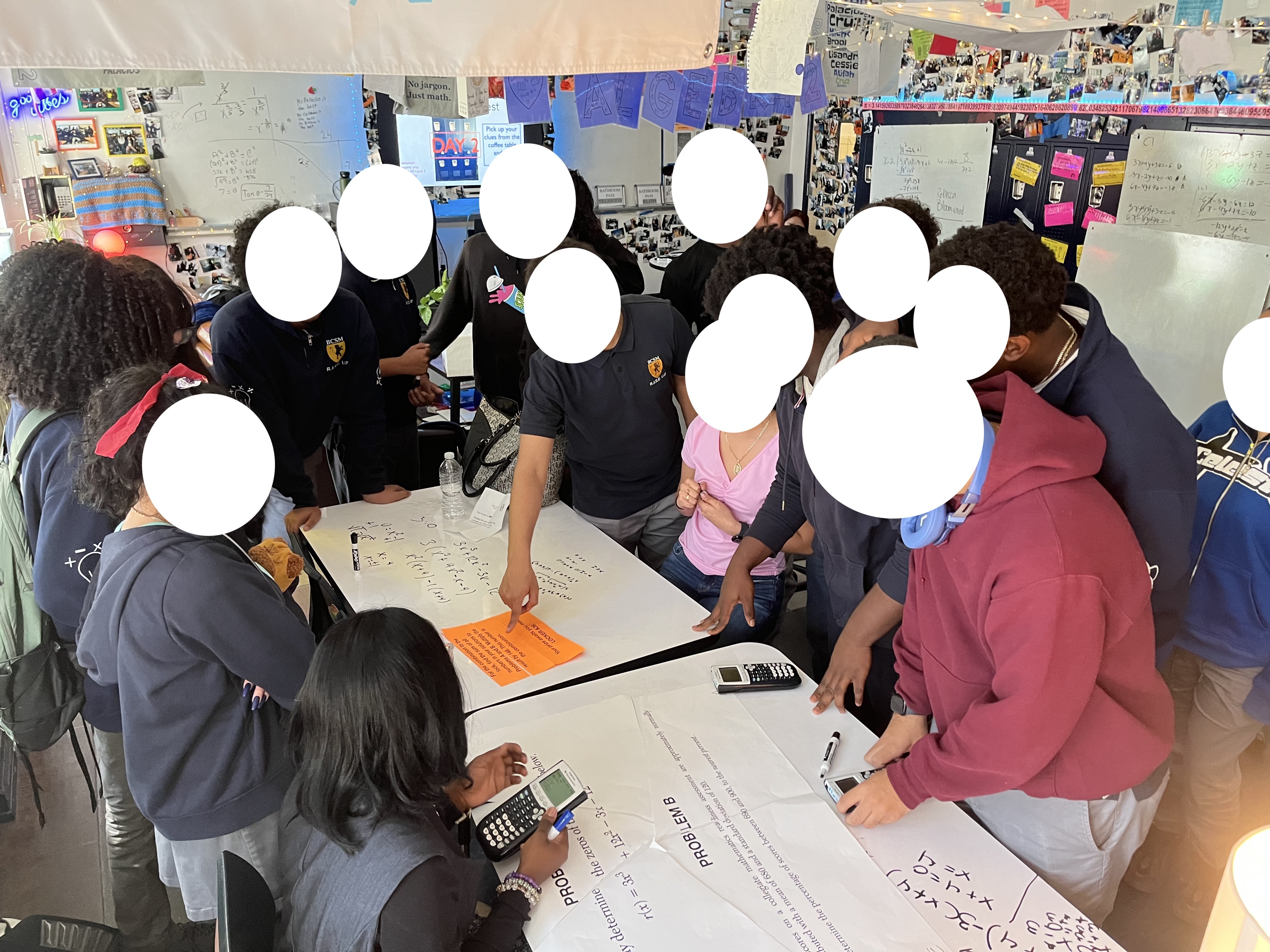
Each group was assigned a locker. The combination of their lock depended on the five solutions to their problems. In a twist, each group’s locker in itself didn’t actually contain a prize. Instead, each group’s locker held a piece of paper that had one-fifth of two final problems on it. (I printed the final two problems on poster paper and cut the paper into five pieces, one for each group’s locker.) After all five groups opened their lockers, the class had to put all their pieces of paper together to discover the final two problems. The solutions to these problems would help them unlock the locker containing the pizza party.

We designed it as a two-day “event.” If a class didn’t get into their final locker by the end of the second day, they didn’t get the pizza party. I had no idea how it was going to go.

Yesterday, at the end of day 1, I got mixed reactions from my three classes who were doing it. Some students got frustrated about figuring out the math and finding the clues. Others just didn’t seem to be that into it. This led me to have doubts about the worthiness of the activity. My cogen students and I spent weeks planning this thing out, and it seemed to be missing the mark.

When my cogen students and I met after school to debrief and set up the room for day 2, I admitted my uncertainty. They greeted my pessimism with a nonchalant pat on the back. Other than a small hiccup here and there, “things are going fine,” they told me. I was overreacting. Looking back, they were right. Other than one or two misplaced clues, the activity was progressing as planned. I tried to not let my past nightmares haunt me.

Keeping track of clues after day 1

Little did I know the excitement that awaited me today on day 2. The moment the groups walked in and found the work that we collected from them the previous day, they pounced. They worked feverishly to solve their remaining problems, find clues, and get their lockers open. The moment the first locker was unlatched and the students learned that the prize was reliant on all the groups solving their problems, the energy intensified twofold. The next thing I know I’m smack in the middle of one of the fiercest learning frenzies I’ve ever seen. Students darted back and forth, turning the room upside down to uncover clues. They were immersed in doing math at all angles and corners of the room. They were running to the aid of their classmates like their life depended on it. It was a teacher’s dream. I savored every minute of it.
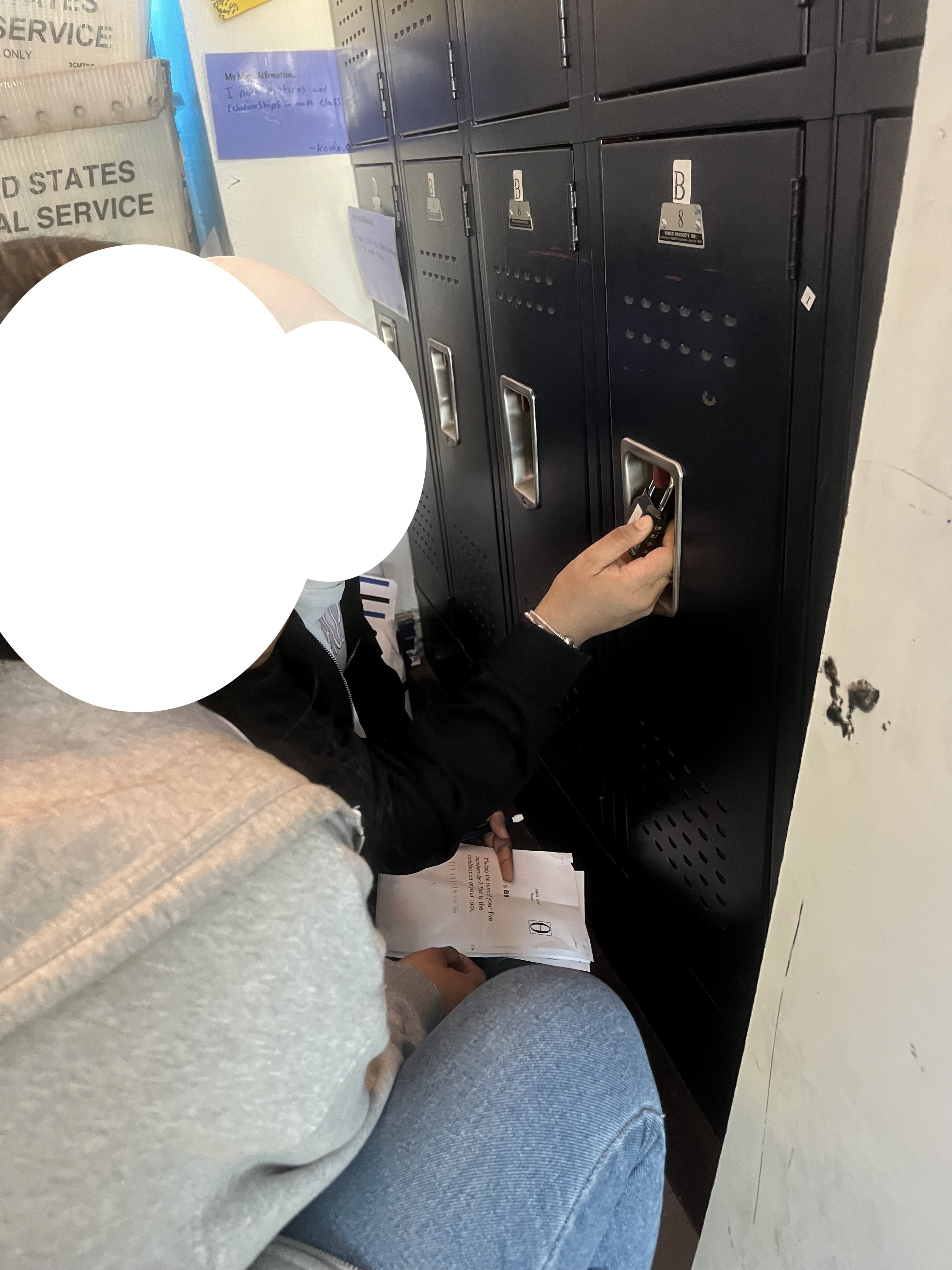
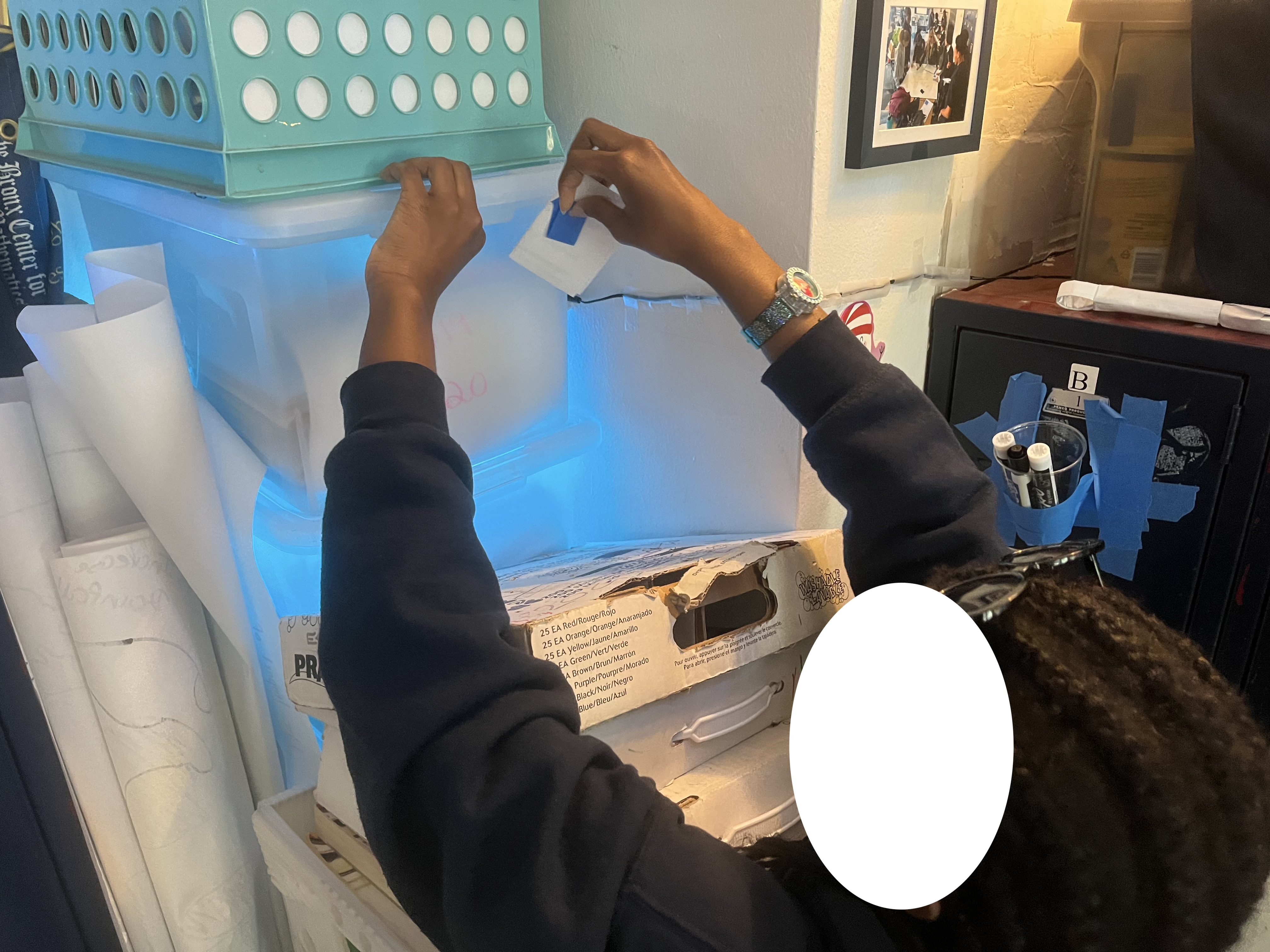
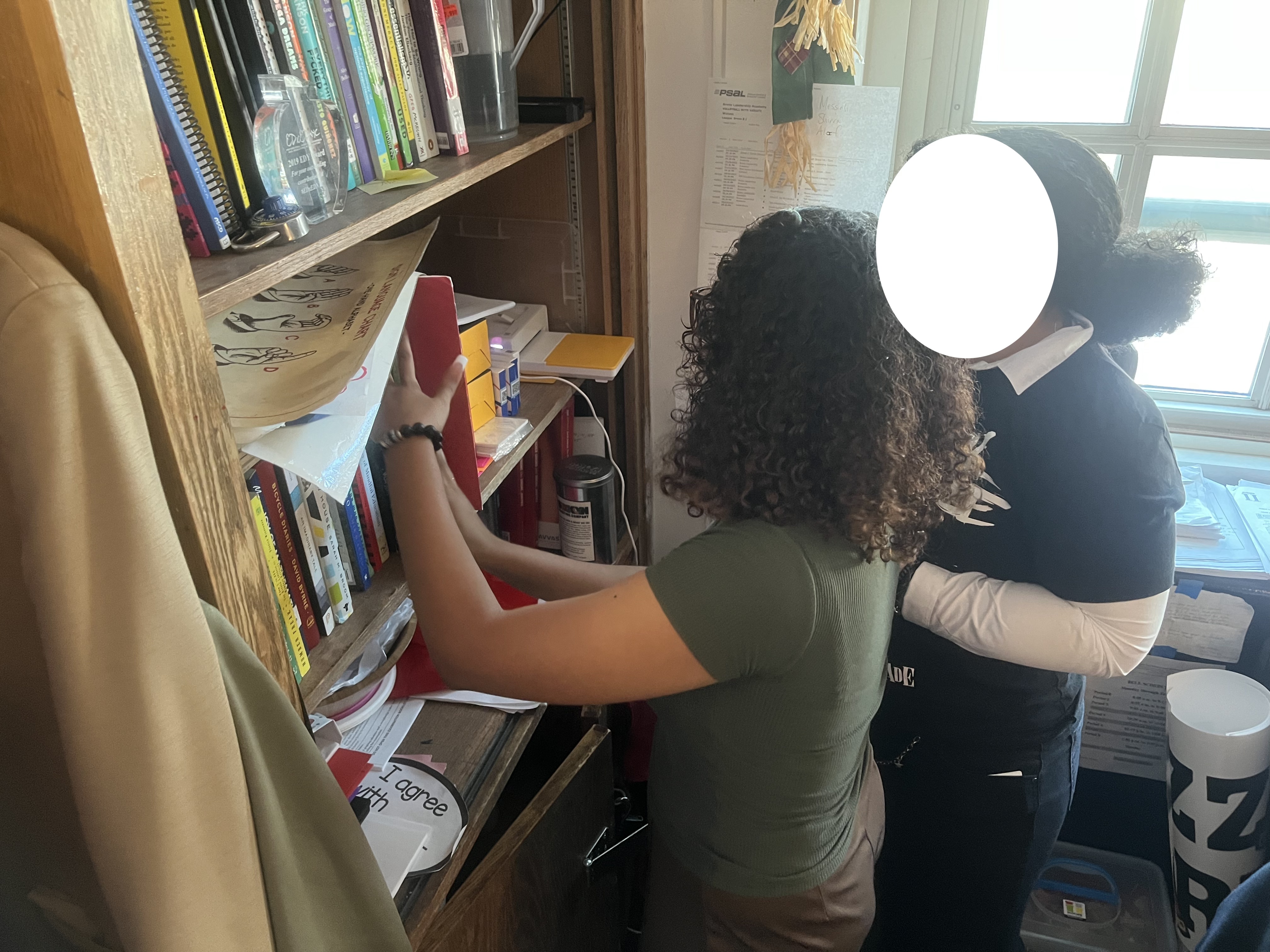
In the end, two of the three classes were able to open the final locker containing the pizza party. One of them completely ignored the bell marking the end of the period and stayed after several minutes because they were so close. They were foaming at the mouth to succeed.

Thinking back, there were moments when I didn’t know if the hours of planning, meeting with cogen students, and worrying about details were worth the time investment. It was a ton of work. Placing and replacing clues for each period was stressful, especially because two of my classes run back-to-back. Given all of its moving parts, the lesson was an organizational and logistical behemoth.

But it was, without a doubt, worth the effort. The moment the final locker was opened was all the evidence I needed. It was an eruption of unfiltered joy, anticipation, and community. Holding up their “Pizza Party” sign in utter triumph, the cheer in the room was deafening. Students jumped up and down in elation. They smiled in ways I never knew they could. It was mathematics that brought them to this state. In 17 years as a teacher, I have experienced few moments that compare.
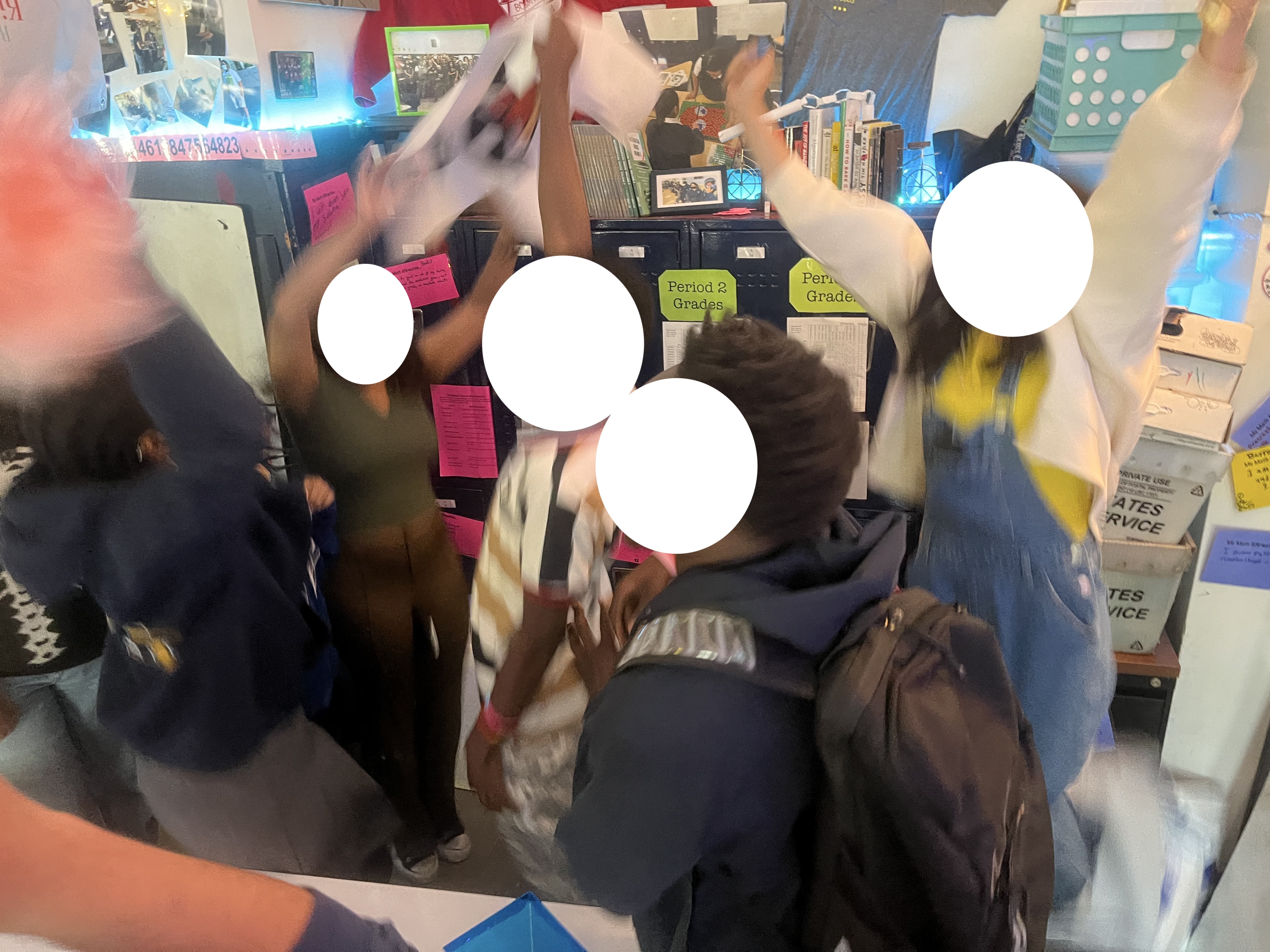
Classwide jubilation once the final locker was opened to reveal a pizza party

If my first Escape Room six years ago was forgettable, this one was the exact opposite. I will remember it for a long, long time. The fun and excitement of the activity were great, but the togetherness it created through solving a huge puzzle was its true gift. My classes would be better off if they included more shared experiences like this one to help build community and a responsibility to each other.

bp
I was absent yesterday and had a defining moment upon my return today

Yesterday, I was absent. It was unexpected, and I wasn’t feeling well. It was my first day calling out all year, and I’m thankful for that. I’m also grateful to be able to return today. I love teaching and my students. My classroom is my second home.

Despite my relief and gratitude, something happened today that will stay with me for a long time. Or, stated more accurately, it’s what didn’t happen that struck me.

While a couple of students asked me how I was doing, the vibe was overwhelmingly passive. The fact that I was out didn’t seem to be a topic of interest. If I hadn’t mentioned my absence at the start of class, it would have been business as usual.

During first period, when it hit me that my students didn’t particularly mind that I was out, I realized that I could have done a much better job fostering deeper, more personal relationships with them. If I had done a better job at making them feel heard and seen, then perhaps they would have inquired about my absence, checked in on me, or wondered what had happened. The fact that I haven’t been absent all year underscores this fact.

It may seem like I’m yearning for students’ attention. I don’t see it that way. Instead, I think of my students’ responses after my absence as a barometer for the quality of our relations. If their reaction to my return is lackluster and plain — like it was today — it indicates that I have done a poor job of seeing them, caring for them, and making them feel like they matter. In these instances, the classroom is merely a place where students arrive each day and not a place of true being. And I’m only a source of mathematics and not an adult who genuinely cares for them.

I have a vision that is the opposite of what happened today. The day after I’m not in school in the future, I hope to see students approaching me as if I were a member of their family who unexpectedly didn’t show up for a gathering. I want to be approached by students with questions and concerns. I imagine students saying things like, “You good, mister? I missed you.” and “Everything alright? I had to check on you.”

bp

Rethinking the Physical, Part 4: Audio

After years of transforming my pedagogy, strengthening my relationships with students, and retuning content, this year I’m placing emphasis on the furniture, walls, lighting, and the many other physical elements that make up my classroom. Each post in this series details a different element and how I’m rethinking it. This is the fourth post in the series.

SmartBoards do a lot of things well. They allow us to present information on a beautiful screen. They help our lessons come alive through an interactive and dynamic interface. They connect to every device our little hearts desire: laptops, phones, tablets, doc cameras. In short, the SmartBoard is a multimodal paradise that offers the world to our pedagogy.

To teach without our beloved SmartBoard seems unimaginable, but the fun doesn’t end there. It also has speakers! This means that videos, podcasts, music, and every conceivable sound effect can reach the ears of our students through our Smartboard. Audio is a subtle but vital part of a teacher’s instructional toolbox, and modern SmartBoards understand this. I really appreciate this convenience because I taught for many years with a SmartBoard that didn’t have speakers. Too often, after making last-minute changes to my lesson to include a video, I would have to scramble to find speakers to play it. That is an early morning hustle that I don’t miss.

Despite my gratitude for the SmartBoard’s speakers, I have a guilty confession: I have outgrown them. The novelty of built-in audio no longer satisfies me. Sitting back and passively accepting SMART’s mediocre approach to sound is no longer viable. My pedagogy now requires being more intentional with how audio is consumed in my room.

I use music a lot in my teaching. I’m convinced that the right song can create an environment conducive to productivity. Music also helps establish community and a sense of belonging. Anyone with a favorite song knows how music can reduce anxiety and boost mood. Whether it’s a chill lo-fi hip-hop instrumental, the upbeat lyrics of Lupe Fiasco, the stylish vibe of Ella Mai, or the timeless grudge from Nirvana, music helps set the tone from the moment my students walk into our room. Our playlist is co-constructed. We work to it. We learn to it. Along with thinking minds, it serves as the heartbeat of the room.

Because music is essential to my teaching, a key source of my dissatisfaction with the SmartBoard is how music sounds coming from it. The sound is flat. The bass is nonexistent. Simply put, it’s a mediocre experience. It’s clear that SMART added speakers to their crown jewel to satisfy a crucial need for educators, but that’s where the story ends.

The mere presence of mood-boosting music in the classroom is important, but having the right source for that music makes it come alive and amplifies its effect in the room. For years, I have turned to Bose as the source of my classroom audio.

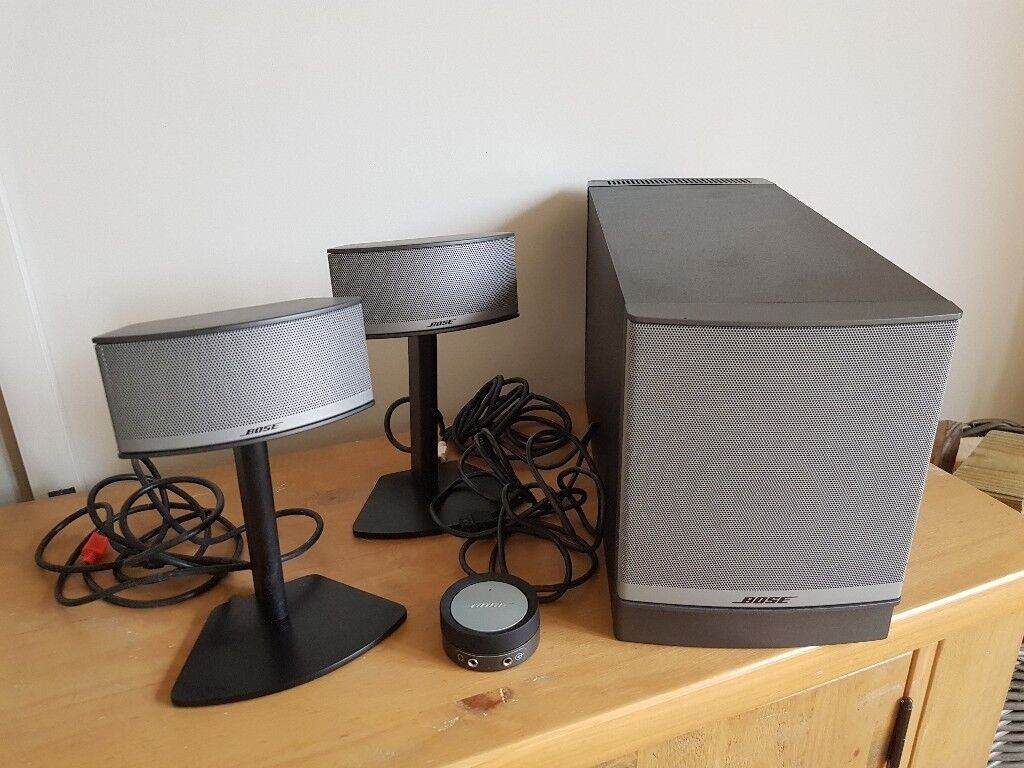
It began in 2014 when I brought the Bose Companion 5 Multimedia Speaker System into my classroom.

Bose Companion 5 Multimedia Speaker System

With its powerful subwoofer and two accent speakers, that system changed everything. Vocals were crisper. Beats were fiercer. Each chorus landed with more purpose. It was like night versus day when compared to the SmartBoard speakers. The system even had a slick dial with a tapping mechanism to adjust audio levels. For the first time in my career, the sound reached every corner of the room with a vivacity that SMART could never imagine. It breathed new life into my room.

The Companion 5 transformed the audio in my classroom and kept my students and me working in rhythm for eight years. But in September, I sought to rethink everything in the classroom. This included my Companion 5.

When pondering how to upgrade my sound system, my mind immediately went to surround sound. My classroom is big (which I frequently underestimate), and my students are always moving around discussing work. Surround sound would acoustically envelop the space and help our playlist reach my kids anywhere they worked. On top of that, the room was already de-fronted with 360-degree whiteboards. Why not extend this theme and do the same with the sound? Instead of having the audio emerge only from the SmartBoard side of the room, what if it flooded the room from all sides?

Before this year, I had no experience with surround sound. Thankfully Bose had me covered. I found several options on their website. After a few days of indecisiveness last summer, I landed on the Bose Soundbar 700 and surround speakers.

Thankfully, the setup of the speakers in my room was straightforward. My SmartBoard is mounted on two large rectangular columns bolted into the ground. The tops of the columns reach several feet above the board and form the perfect platform for the soundbar. The location is perfect because it’s stable, secure, and isolated from the hustle and bustle of the classroom.

SoundBar resting on the columns that hold up the SmartBoard

I had a lengthy debate about where to mount the surround sound speakers. Would they go on the sides of the classroom? The rear? Somewhere else? Their placement impacts the acoustics in the room, so I went back and forth on this. I ended up placing them in the room’s corners, opposite the soundbar. These are also locations high enough where they won’t be bumped — or even noticed — by students.

A surround sound speaker in the back corner of the room

I considered placing the soundbar atop the lockers in the room’s rear, opposite the SmartBoard. This would have created an interesting sound dynamic, with the main audio source coming from somewhere other than the SmartBoard. I wonder how it would feel to watch a video with the audio emanating from behind me? Would it improve balance? The setup seems unnatural, but since I mostly play music over my speakers, it might not matter much. Next year I want to try it.

A benefit that I didn’t anticipate was the fact that the sound system runs on Bluetooth. This is a huge upgrade. This means that I’m not physically tethered to speakers and can play music no matter where I am in the room, including sitting at my desk before school. But given this clever presentation remote that allows for volume adjustment, I can change the volume on the fly as I move around the room. Need to grab the class’s attention for an impromptu announcement? Time to transition group work to a whole class discussion? With this remote, I no longer need to run to the laptop to pause or turn down the music. I can do it from wherever I am in the room. It’s a game changer.

Though I’m thoroughly satisfied with the surround sound in my room, I have two minor qualms. First, there’s no doubt that the sound that fills the room is triumphant, but the SoundBar pulls most of the weight. The small speakers could pack more punch. They’re weaker and less present than I expected. Second, despite the ease of setup, I did have to call Bose for technical support to arrange for a replacement SoundBar. This was very annoying. But, given the headache, their customer service was outstanding. I didn’t have to wait long to speak to someone and the first person I spoke to walked me through complicated troubleshooting. A totally refreshing experience.

I’d be naive if I didn’t admit that the price of these speakers gave me pause. Spending several hundred dollars on a sound system for my classroom isn’t the most reasonable thing for a teacher to do. Luckily, my Math for America fellowship comes with a bank of flex funds that can be used to make classroom-related purchases, which I used for my surround sound.I can’t say enough good things about MfA and the wonderful people there.Making my speaker dreams come true is one of many upgrades they’ve had on my teaching and career.

After spending a good part of the school year with surround sound, I’m happy. My students are too. Actually, come to think of it, I don’t even know if most students even know that the room has been outfitted with surround sound. Given the other dimensions of the room that are far more salient, like the lighting and seating, perhaps the elevated audio simply blends in.

Either way, the acoustics in the room are better than ever. So while the SmartBoard’s multimodal design may offer the world to my pedagogy, my speakers make up for one of its major flaws. Here’s to many years of vibrant sounds and lively audio.

bp

Dear S and L, (Student Letter #10)

To help me be more critical and mindful of the bonds I’m forging in and out of the classroom, I write anonymous letters to some of my current and former students. This is the tenth post in the series.

Dear S and L,

When you walked into my classroom today, I fell to a knee. The reaction was a first for me in my years of reuniting with former students, yet it felt so natural. Starring at you in awe, I stayed down for what must have been 20 seconds. In a classroom you once occupied, you happily stared back as my head shook in disbelief at your presence. I smiled and sighed assuredly. You were strangers to everyone in the room but me. You two took my breath away.

It wasn’t until one of my students walked over and offered to help me up that I realized that I was still kneeling. As I handed the reigns over to my co-teacher and stepped into the hallway to chat with you, I sensed it but didn’t know quite what had come over me. It’s certainly been a while since I’ve seen you, but my reaction told a much bigger story. Why did your presence affect me so?

I asked what brought you here and have things have been going since graduation. You both were doing fine. You found yourselves driving around the neighborhood and decided to drop in. S, you work at the post office. L, you’re in school studying to become a physical education teacher. Y’all have been making music together and are preparing to release content to the public in the coming weeks. Anticipation and excitement painted your faces. You looked happy.

L, you were slimmer and more jovial than you were in high school. You still have that humble charisma about you. S, you looked exactly the same: tall, lanky, and full of charm. You had the same retro Charlotte Hornets jacket I remember from high school. It’s clear that adulthood has claimed you both as its own. As your former teacher, I’m proud that you’re both growing up into productive young men.

We spoke in the hallway for a mere 10 minutes. Our conversation was like any I’ve had with former students: reminiscent, light-hearted, hopeful. But the more we spoke, the more my mind wandered back to the 2019-20 school year.

S, you were a senior in my period 3 class that year. We knew each other well because I taught you in 9th grade. We enjoyed a wonderful first semester together. You wrote two thoughtful math journals and always stayed back after class to ask me questions. We chatted frequently about your aspirations of being an actor.

L, you were also a senior that year. Having taken my class the year before, you weren’t my student anymore. But I still saw you around the school all the time. We had a handshake. I went to many of your basketball games.

In the spring of 2020, Covid hit and upended everything. I never saw either of you again. Our departure from school and each other happened so quickly. One week I was handing out Friday Letters and your grading exams. The next I was on Zoom in my bedroom, pretending to be a teacher. It was a nightmare.

With the resurgence of in-person learning these last two years and my faith in teaching fully restored, I have come to forget about our suffering that spring. New challenges and new students have kept it buried. It was better that way. It was too dark and too sad a time to dig it up.

That changed the moment I saw you today. In an instant, it all came flooding back. The insecurities, the worries, the isolation, and the unimaginable losses of spring 2020 revealed themselves again. With your presence, I suddenly remembered both my pre-pandemic self and the hard transition I was forced to make in order to endure the worst period of my teaching career. This is why I fell to a knee upon seeing you. I was overtook by a past that I wish never existed.

Adding to the impact of your visit was when it occurred. I think my reaction would have been less emotional had I not been teaching when we saw each other. Being surrounded by the love and togetherness of my current students, I was immersed in tradition and predictability and wonder. It was an ordinary lesson, but the room was bright and full of life. Seeing you at a moment was a sucker punch from an unfriendly and broken past. It was the antithesis of what I have currently enjoy. Seeing you knocked the wind right out of me.

You two are amazing, kind, and bright young men, but it’s important for me to understand that you are also a bridge to a place that I’d rather not think about. I need to be better at confronting this part of my teaching past. I cannot completely separate you from what happened during the spring of 2020, nor should I. I’m grateful for the bonds we established before and during that scary time. It was those bonds that instilled faith in me during the bleakest of days on Zoom. Bonds like ours are what healed me and kept me in the classroom.

Despite my mental roller coaster during our reunion today, I savored every minute. After you left and I returned to class, I spared a few seconds to describe both of you to my students. Connecting the past to the present seemed fitting in that moment. As I gathered myself in front of my students, their faces and minds were still responding to the math my co-teacher led them through. I shared some of what I shared here and exposed a few of my battle wounds. I got emotional. I remembered the spring of 2020. I remembered how hard it had been. I remembered you.

I hurried my emotions away so as not to detour the class. We moved on after a minute or two, but the thought of you two lingered in my mind for many hours to come. Later, I found you in the building to show you L’s class photo from 2019 that still hangs above a whiteboard in my classroom.

Thanks for deciding to stop by. You made my day by helping me remember and confront. I wish you well.

Here’s to bright futures that acknowledge the past, no matter how dark it is.

Sincerely,
Mr. P

P.S. Good luck with everything. Send me some of your music sometime. I’d love to play it for my students.