

Two months ago, during one of my five-minute check-ins at the start of class, some students told me about an Escape Room they did. It was part of their mentoring program. None of them had done anything like it before, and they had a blast. They admitted to not having solved the room, but their smiles and jovial spirits told me it didn’t matter.
In the days that followed, I began thinking about the idea of doing a Mystery Room with my classes. My classroom has a bunch of unused lockers that could serve as lock boxes. Clues could be placed in all of the many nooks and crannies of the room. It could kick off our review for the upcoming Regents exam. The potential was there.
Six years ago, I tried something similar. I don’t remember much about the lesson other than how it imploded. Horrible planning led to clues never being found and the combinations of locks getting all mixed up. My students were confused, and I was overwhelmed. It was baaaad.
But I’m a different teacher now. I plan better than I did six years ago and have more resources at my disposal. I also have a weekly cogen that improves much of what I do with students. The more I thought about it, I realized that doing an Escape Room would be a different experience for my students now. It could work.
A quick search on the web for classroom Escape Rooms let me know there’s no shortage of advice on how to plan for one. There are those that require no locks. Others can be done using only Google Forms. There were also plenty of tips on how to tell a story using the clues. It didn’t take long for me to feel bogged down.
But when in doubt, I turn to my students. Two or three weeks after initially hearing about my students’ Escape Room experience, I pitched the idea to my most trusted resource: my cogen. My interest was in building it with them from the ground up and avoiding the many online templates that exist. This would mean a lot more work for us, but it would also mean that the activity would be far more authentic and original than anything we could find online. Luckily for me, they loved the idea. Did I say that my students are wonderful?
It took three 30-minute sessions (we meet once a week) for us to pin down a structure we liked for the lesson and another two sessions for us to come up with all the clues and hiding locations. I took care of the math and making the handouts. The students helped with hiding the clues, logistics, and helping groups while they worked during the activity. With so many end-of-year things going on, I politely asked my cogen students to hold me accountable for doing my part. They did.
The grand prize was a pizza party for the class. In order to earn it, five groups needed to solve five unrelated problems. Each problem was hidden in locations decided upon by the cogen members. Interestingly, of each groups’ five clues, four were hidden in our classroom, and one was somewhere outside the classroom (in the school building). Here was our opening slide

Each group was assigned a locker. The combination of their lock depended on the five solutions to their problems. In a twist, each group’s locker in itself didn’t actually contain a prize. Instead, each group’s locker held a piece of paper that had one-fifth of two final problems on it. (I printed the final two problems on poster paper and cut the paper into five pieces, one for each group’s locker.) After all five groups opened their lockers, the class had to put all their pieces of paper together to discover the final two problems. The solutions to these problems would help them unlock the locker containing the pizza party.
We designed it as a two-day “event.” If a class didn’t get into their final locker by the end of the second day, they didn’t get the pizza party. I had no idea how it was going to go.
Yesterday, at the end of day 1, I got mixed reactions from my three classes who were doing it. Some students got frustrated about figuring out the math and finding the clues. Others just didn’t seem to be that into it. This led me to have doubts about the worthiness of the activity. My cogen students and I spent weeks planning this thing out, and it seemed to be missing the mark.
When my cogen students and I met after school to debrief and set up the room for day 2, I admitted my uncertainty. They greeted my pessimism with a nonchalant pat on the back. Other than a small hiccup here and there, “things are going fine,” they told me. I was overreacting. Looking back, they were right. Other than one or two misplaced clues, the activity was progressing as planned. I tried to not let my past nightmares haunt me.

Little did I know the excitement that awaited me today on day 2. The moment the groups walked in and found the work that we collected from them the previous day, they pounced. They worked feverishly to solve their remaining problems, find clues, and get their lockers open. The moment the first locker was unlatched and the students learned that the prize was reliant on all the groups solving their problems, the energy intensified twofold. The next thing I know I’m smack in the middle of one of the fiercest learning frenzies I’ve ever seen. Students darted back and forth, turning the room upside down to uncover clues. They were immersed in doing math at all angles and corners of the room. They were running to the aid of their classmates like their life depended on it. It was a teacher’s dream. I savored every minute of it.
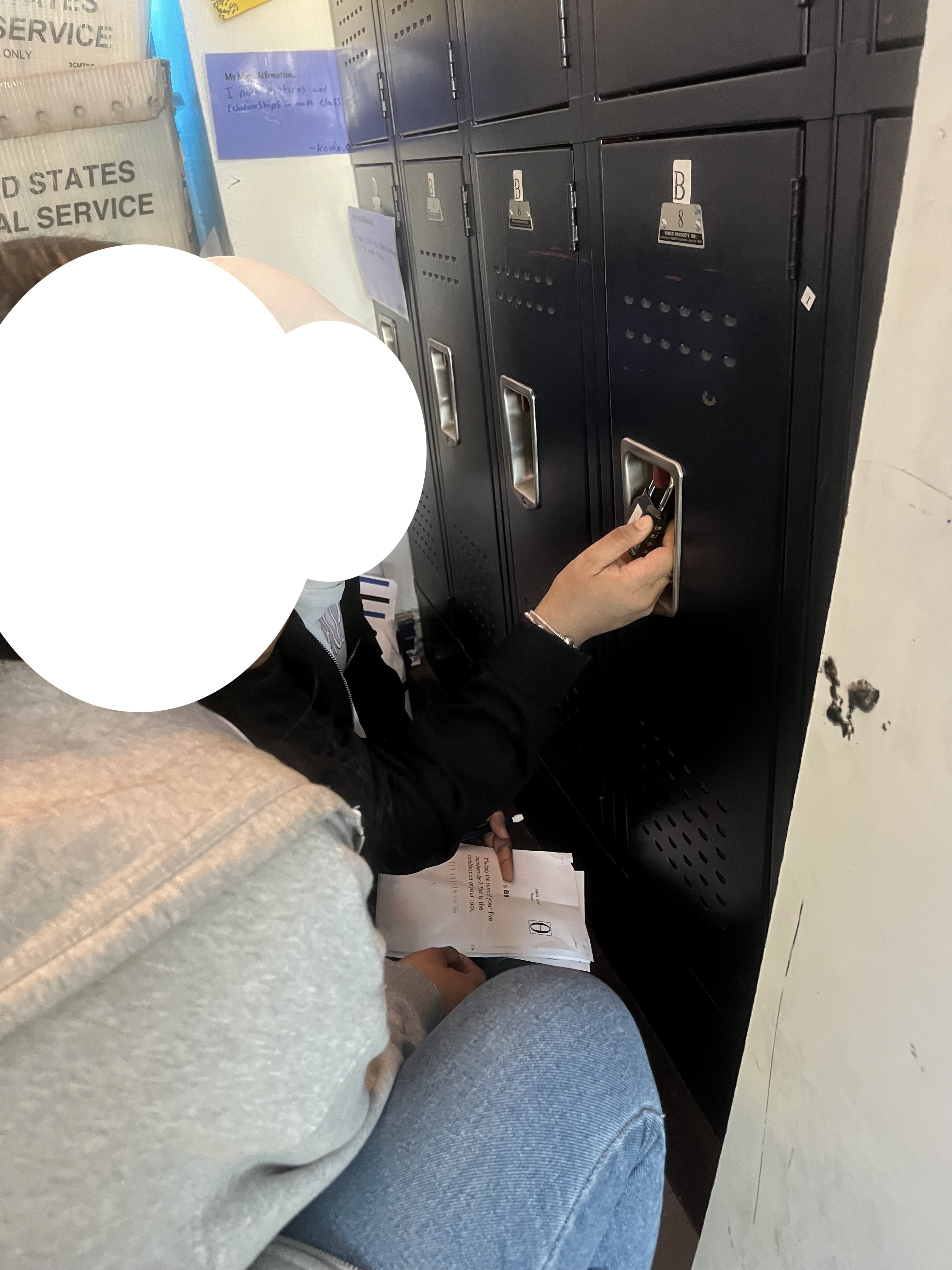
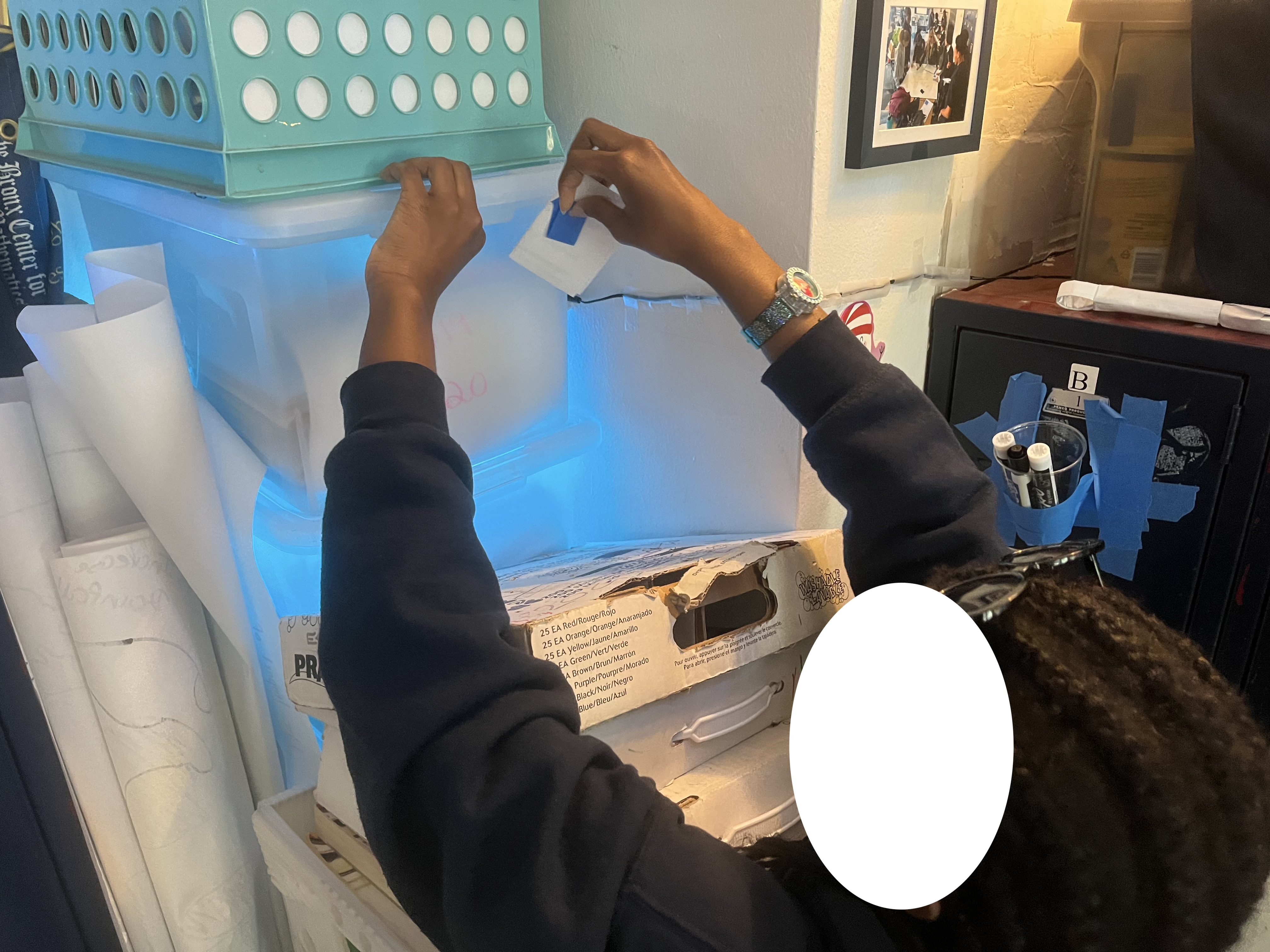
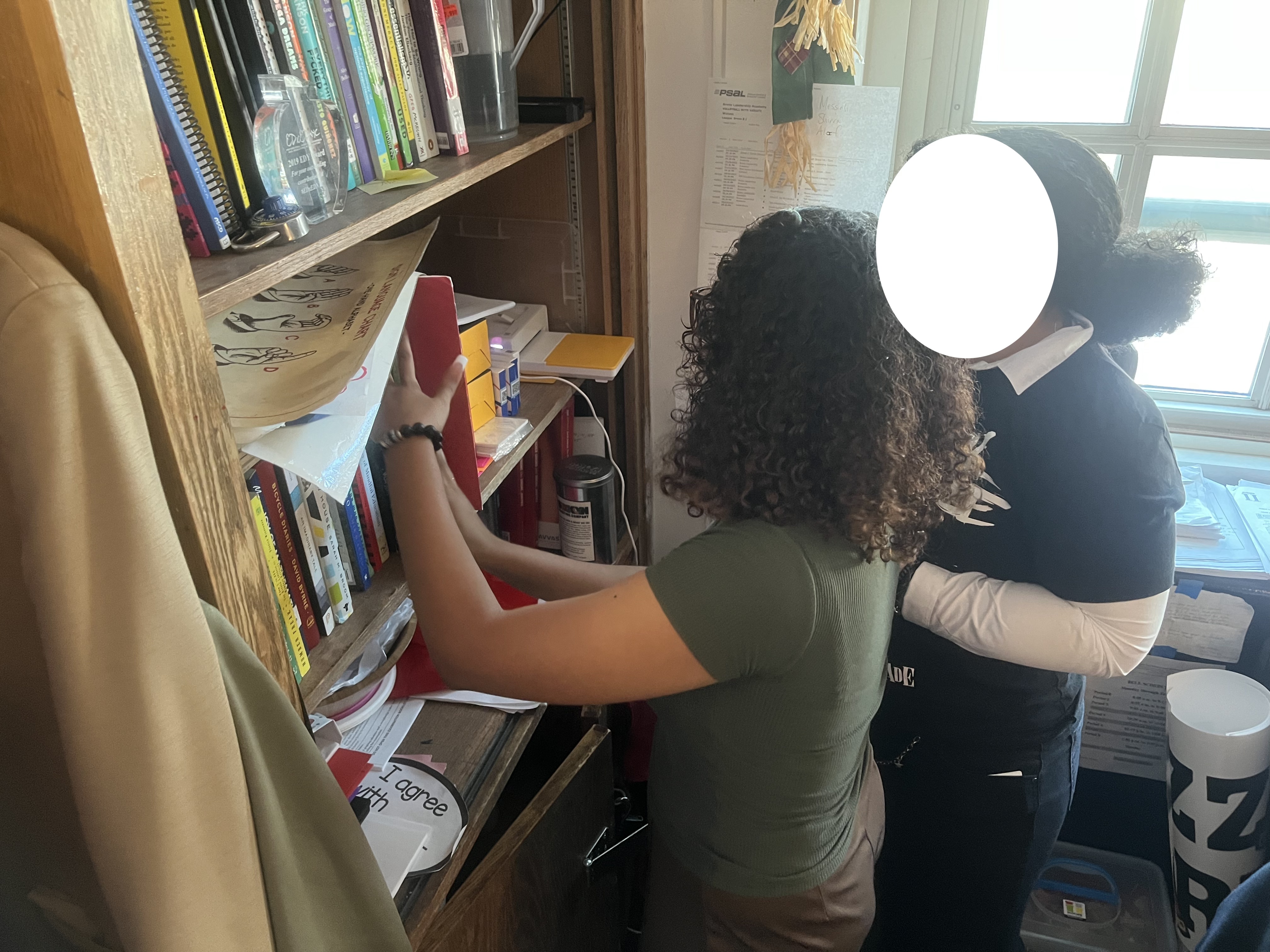
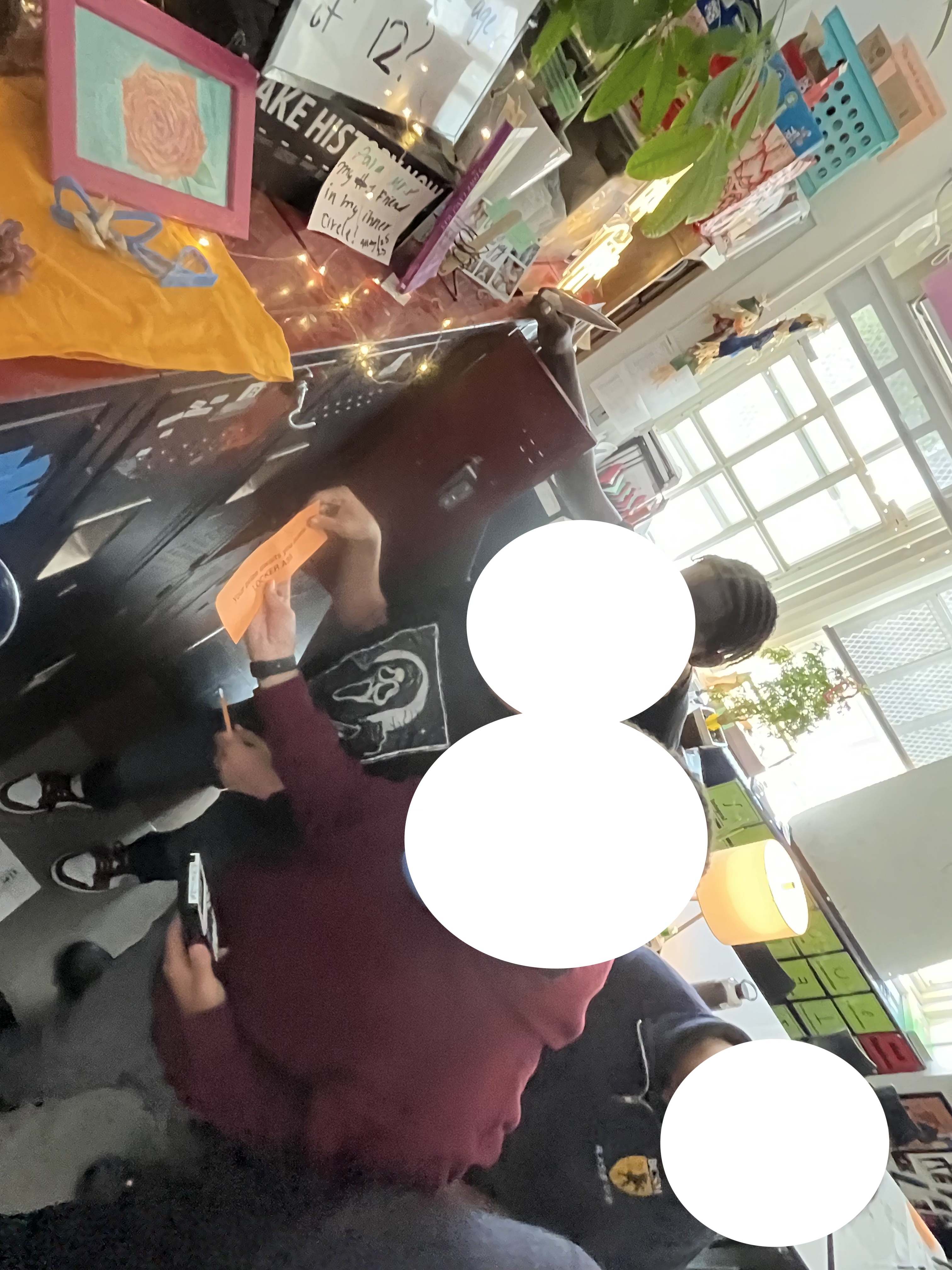
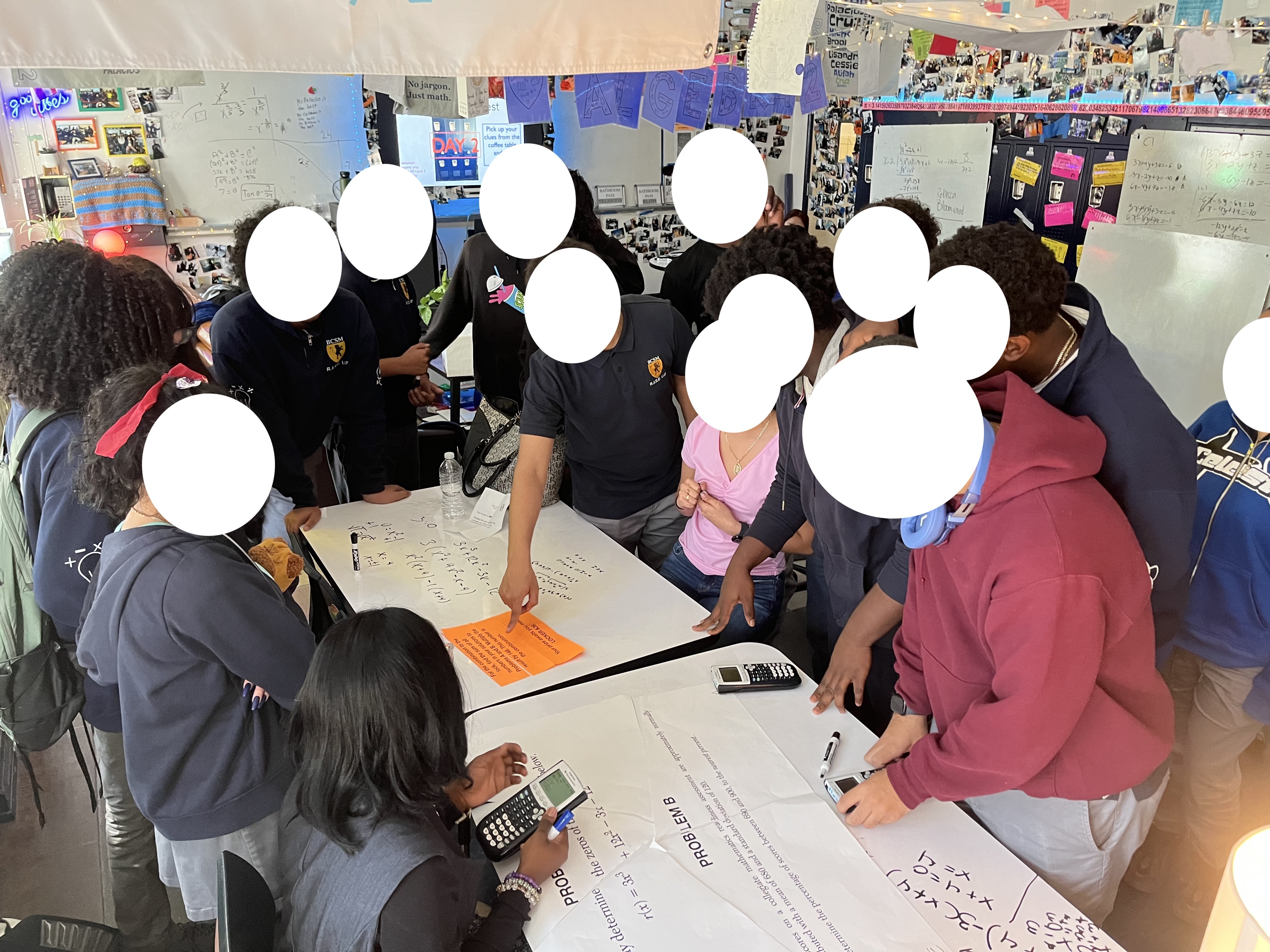
In the end, two of the three classes were able to open the final locker containing the pizza party. One of them completely ignored the bell marking the end of the period and stayed after several minutes because they were so close. They were foaming at the mouth to succeed.
Thinking back, there were moments when I didn’t know if the hours of planning, meeting with cogen students, and worrying about details were worth the time investment. It was a ton of work. Placing and replacing clues for each period was stressful, especially because two of my classes run back-to-back. Given all of its moving parts, the lesson was an organizational and logistical behemoth.
But it was, without a doubt, worth the effort. The moment the final locker was opened was all the evidence I needed. It was an eruption of unfiltered joy, anticipation, and community. Holding up their “Pizza Party” sign in utter triumph, the cheer in the room was deafening. Students jumped up and down in elation. They smiled in ways I never knew they could. It was mathematics that brought them to this state. In 17 years as a teacher, I have experienced few moments that compare.
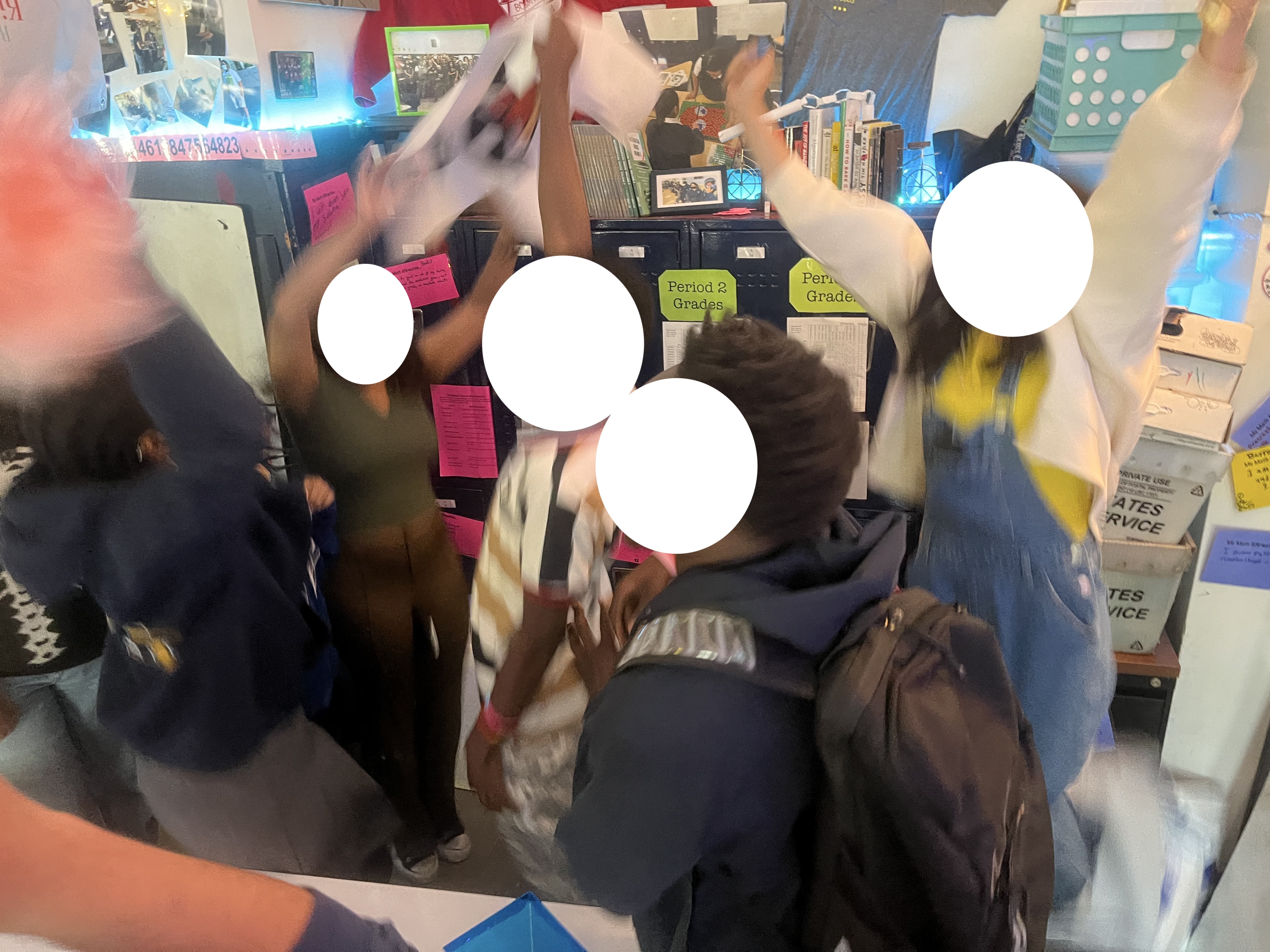
If my first Escape Room six years ago was forgettable, this one was the exact opposite. I will remember it for a long, long time. The fun and excitement of the activity were great, but the togetherness it created through solving a huge puzzle was its true gift. My classes would be better off if they included more shared experiences like this one to help build community and a responsibility to each other.
bp
 lazy 0ch0