
After years of transforming my pedagogy, strengthening my relationships with students, and retuning content, this year I’m placing emphasis on the furniture, walls, lighting, and the many other physical elements that make up my classroom. Each post in this series details a different element and how I’m rethinking it. This is the fourth post in the series.
SmartBoards do a lot of things well. They allow us to present information on a beautiful screen. They help our lessons come alive through an interactive and dynamic interface. They connect to every device our little hearts desire: laptops, phones, tablets, doc cameras. In short, the SmartBoard is a multimodal paradise that offers the world to our pedagogy.
To teach without our beloved SmartBoard seems unimaginable, but the fun doesn’t end there. It also has speakers! This means that videos, podcasts, music, and every conceivable sound effect can reach the ears of our students through our Smartboard. Audio is a subtle but vital part of a teacher’s instructional toolbox, and modern SmartBoards understand this. I really appreciate this convenience because I taught for many years with a SmartBoard that didn’t have speakers. Too often, after making last-minute changes to my lesson to include a video, I would have to scramble to find speakers to play it. That is an early morning hustle that I don’t miss.
Despite my gratitude for the SmartBoard’s speakers, I have a guilty confession: I have outgrown them. The novelty of built-in audio no longer satisfies me. Sitting back and passively accepting SMART’s mediocre approach to sound is no longer viable. My pedagogy now requires being more intentional with how audio is consumed in my room.
I use music a lot in my teaching. I’m convinced that the right song can create an environment conducive to productivity. Music also helps establish community and a sense of belonging. Anyone with a favorite song knows how music can reduce anxiety and boost mood. Whether it’s a chill lo-fi hip-hop instrumental, the upbeat lyrics of Lupe Fiasco, the stylish vibe of Ella Mai, or the timeless grudge from Nirvana, music helps set the tone from the moment my students walk into our room. Our playlist is co-constructed. We work to it. We learn to it. Along with thinking minds, it serves as the heartbeat of the room.
Because music is essential to my teaching, a key source of my dissatisfaction with the SmartBoard is how music sounds coming from it. The sound is flat. The bass is nonexistent. Simply put, it’s a mediocre experience. It’s clear that SMART added speakers to their crown jewel to satisfy a crucial need for educators, but that’s where the story ends.
The mere presence of mood-boosting music in the classroom is important, but having the right source for that music makes it come alive and amplifies its effect in the room. For years, I have turned to Bose as the source of my classroom audio.
It began in 2014 when I brought the Bose Companion 5 Multimedia Speaker System into my classroom.
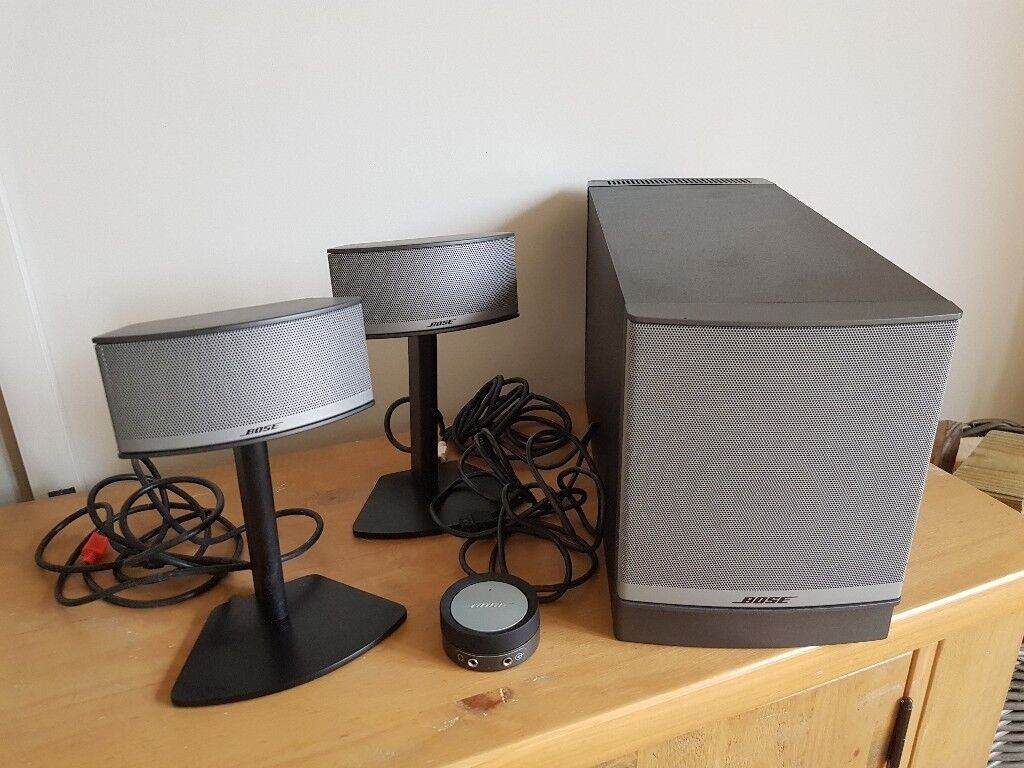
With its powerful subwoofer and two accent speakers, that system changed everything. Vocals were crisper. Beats were fiercer. Each chorus landed with more purpose. It was like night versus day when compared to the SmartBoard speakers. The system even had a slick dial with a tapping mechanism to adjust audio levels. For the first time in my career, the sound reached every corner of the room with a vivacity that SMART could never imagine. It breathed new life into my room.
The Companion 5 transformed the audio in my classroom and kept my students and me working in rhythm for eight years. But in September, I sought to rethink everything in the classroom. This included my Companion 5.
When pondering how to upgrade my sound system, my mind immediately went to surround sound. My classroom is big (which I frequently underestimate), and my students are always moving around discussing work. Surround sound would acoustically envelop the space and help our playlist reach my kids anywhere they worked. On top of that, the room was already de-fronted with 360-degree whiteboards. Why not extend this theme and do the same with the sound? Instead of having the audio emerge only from the SmartBoard side of the room, what if it flooded the room from all sides?
Before this year, I had no experience with surround sound. Thankfully Bose had me covered. I found several options on their website. After a few days of indecisiveness last summer, I landed on the Bose Soundbar 700 and surround speakers.
Thankfully, the setup of the speakers in my room was straightforward. My SmartBoard is mounted on two large rectangular columns bolted into the ground. The tops of the columns reach several feet above the board and form the perfect platform for the soundbar. The location is perfect because it’s stable, secure, and isolated from the hustle and bustle of the classroom.

I had a lengthy debate about where to mount the surround sound speakers. Would they go on the sides of the classroom? The rear? Somewhere else? Their placement impacts the acoustics in the room, so I went back and forth on this. I ended up placing them in the room’s corners, opposite the soundbar. These are also locations high enough where they won’t be bumped — or even noticed — by students.
I considered placing the soundbar atop the lockers in the room’s rear, opposite the SmartBoard. This would have created an interesting sound dynamic, with the main audio source coming from somewhere other than the SmartBoard. I wonder how it would feel to watch a video with the audio emanating from behind me? Would it improve balance? The setup seems unnatural, but since I mostly play music over my speakers, it might not matter much. Next year I want to try it.
A benefit that I didn’t anticipate was the fact that the sound system runs on Bluetooth. This is a huge upgrade. This means that I’m not physically tethered to speakers and can play music no matter where I am in the room, including sitting at my desk before school. But given this clever presentation remote that allows for volume adjustment, I can change the volume on the fly as I move around the room. Need to grab the class’s attention for an impromptu announcement? Time to transition group work to a whole class discussion? With this remote, I no longer need to run to the laptop to pause or turn down the music. I can do it from wherever I am in the room. It’s a game changer.
Though I’m thoroughly satisfied with the surround sound in my room, I have two minor qualms. First, there’s no doubt that the sound that fills the room is triumphant, but the SoundBar pulls most of the weight. The small speakers could pack more punch. They’re weaker and less present than I expected. Second, despite the ease of setup, I did have to call Bose for technical support to arrange for a replacement SoundBar. This was very annoying. But, given the headache, their customer service was outstanding. I didn’t have to wait long to speak to someone and the first person I spoke to walked me through complicated troubleshooting. A totally refreshing experience.
I’d be naive if I didn’t admit that the price of these speakers gave me pause. Spending several hundred dollars on a sound system for my classroom isn’t the most reasonable thing for a teacher to do. Luckily, my Math for America fellowship comes with a bank of flex funds that can be used to make classroom-related purchases, which I used for my surround sound.I can’t say enough good things about MfA and the wonderful people there.Making my speaker dreams come true is one of many upgrades they’ve had on my teaching and career.
After spending a good part of the school year with surround sound, I’m happy. My students are too. Actually, come to think of it, I don’t even know if most students even know that the room has been outfitted with surround sound. Given the other dimensions of the room that are far more salient, like the lighting and seating, perhaps the elevated audio simply blends in.
Either way, the acoustics in the room are better than ever. So while the SmartBoard’s multimodal design may offer the world to my pedagogy, my speakers make up for one of its major flaws. Here’s to many years of vibrant sounds and lively audio.
bp
 lazy 0ch0